Earning My CPP
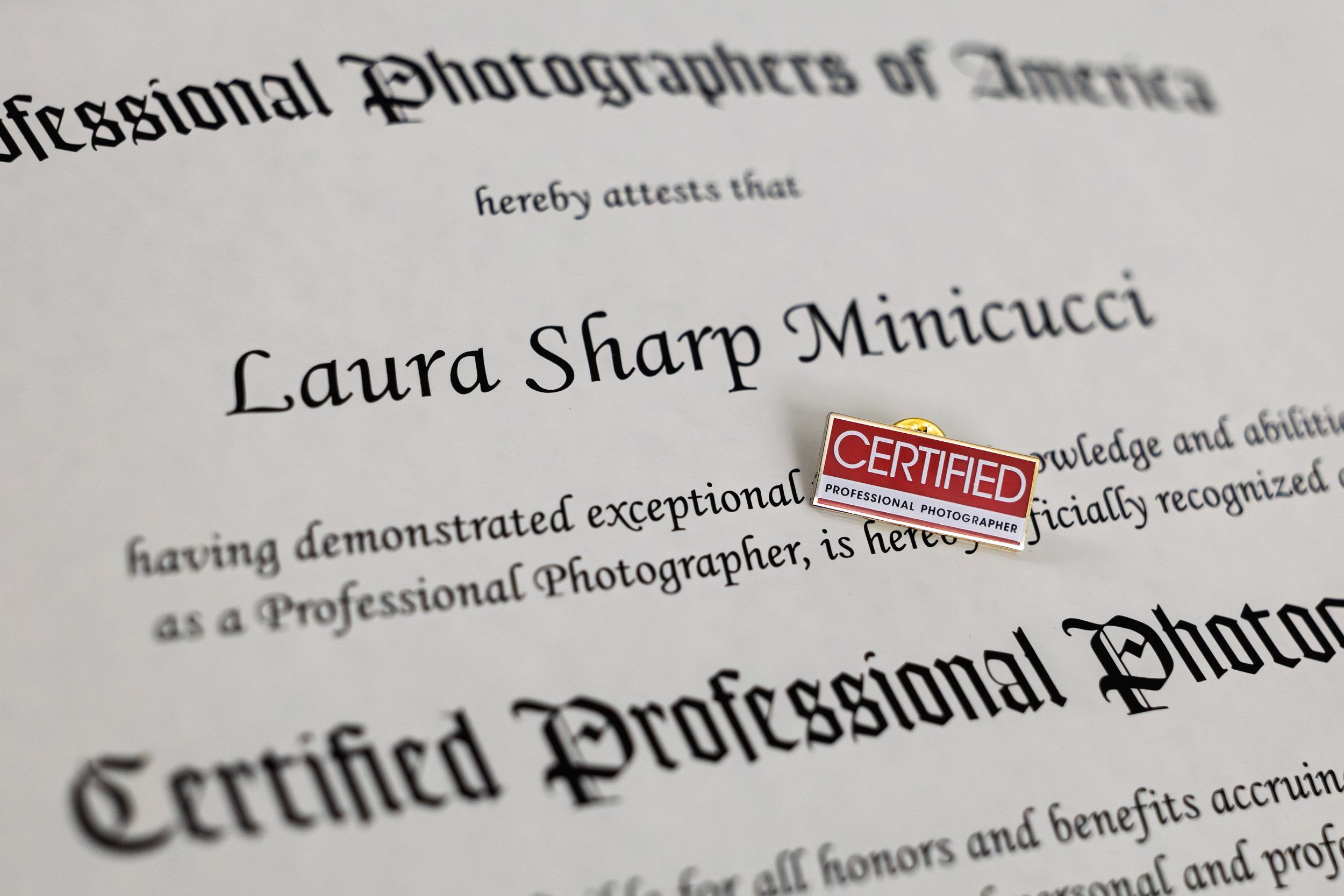
There's a particular kind of pride that comes from earning something the hard way. Not from doing something once and getting lucky, but from falling short, learning, and coming back better. That's what my Certified Professional Photographer credential means to me.
I earned my CPP on February 23rd, 2026. And I couldn't be more proud.
A New Chapter
A little over a year ago, I was an educator. Fifteen years in, across roles as a teacher, coach, teacher educator, and curriculum implementation specialist, in school districts, higher education, nonprofits, and the private sector. It was work I had poured myself into completely.
In January 2025, I lost my job. The circumstances were painful, but they clarified something: no matter how hard I worked or how much I cared, I was a cog in someone else's wheel. For years, friends and family had encouraged me to start my own business — and for years, I had already been the one behind the camera at engagements, birthday parties, baby and bridal showers, family gatherings, and special events. The trust people placed in me to document those moments was something I had never taken lightly. What changed was the decision to finally build something of my own around that trust.
Two months later, I launched Laura Sharp Photography. I started the business with genuine ability and real commitment, but knowing there was still more I wanted to learn.
Building the Foundation
I didn't want to simply declare myself a professional and start booking clients. I wanted to earn it. To learn it. To be able to stand behind my work with real confidence. Part of that commitment meant finally making the leap to shooting in full manual mode — something I had avoided for years. I haven't touched auto since.
Last spring, I enrolled in eCornell's Digital Photography Certificate Program. I had spent well over a decade in education, often advocating for and facilitating professional development that was rarely offered to me. Here was a chance to finally invest in my own. The program gave me rigorous, structured training in exposure, lighting, composition, and storytelling, and it introduced me to a community of photographers I hadn't known I needed. It's also where I first learned about the Professional Photographers of America.
I became a PPA member shortly thereafter. The resources were extraordinary, covering everything from lighting technique to pet photography to the business of running a studio. As I explored, I discovered PPA's credential programs.
What Is the CPP?
The Certified Professional Photographer credential is one of the most respected designations in the industry, awarded to photographers who demonstrate mastery of both technical knowledge and practical skill. It is not a membership benefit or a participation certificate. It requires real work.
The process begins with a formal declaration of candidacy, which opens a two-year window to complete both components:
First, proctored exams covering six modules: cameras and lenses, lighting and flash, design and composition, exposure and metering, digital post-production, and professional business practice.
Second, a Technical Image Evaluation: a rigorous, objective practical assessment in which candidates photograph a standardized set of objects under controlled conditions. The kit is deceptively simple — a wooden manikin, a styrofoam ball, a set of Crayola crayons, a black Sharpie, and sheets of gray paper — but every element is there for a reason. The styrofoam ball tests your ability to retain highlight detail. The gray paper anchors your midtones. The Sharpie must hold shadow detail without dropping into pure black. The crayons verify proper custom white balance across a full range of colors. The shadows on the manikin reveal whether your lighting ratio and direction are correct. Three images are required, each shot at a specific camera angle and aperture. Every submission is evaluated against precise exposure ranges for highlights, midtones, and shadows, as well as white balance, sharpness, light direction, composition, and metadata. There is no room for guessing.
The Technical Image Evaluation
I'll be honest: I didn't pass the Technical Image Evaluation on my first attempt. Or my second. Or my third.
I'm a natural-light photographer at heart, but I made a deliberate decision going in: I was going to complete the electronic flash option, not the natural light one. My reasoning was grounded in a simple belief: No one should call themselves a professional photographer without a command of controlled lighting.
So I invested in lighting equipment, converted my home office into a studio, learned to use a gray card and light meter properly, and submitted my first images in September. Only Image 3 passed. In both of the others, my midtones were above the acceptable range.
When I resubmitted Images 1 and 2 in October, my midtones were still too high. The evaluation is only open one week per month, February through November, which meant November was my last window before it closed for the year — and my last chance to count my Imaging USA attendance toward recertification. I shot carefully, and Image 1 passed. But in trying to correct my previously high midtones, I had slightly underexposed Image 2, dropping both the highlights and midtones below the acceptable range.
I won't pretend that didn't sting. But I also noticed something shift in me that month. A strange gratitude for the difficulty. When I do earn this, I'm going to feel extra proud, because I know how hard it is. And I’m going to earn it.
The Last Missing Piece
In January, I attended my first Imaging USA conference in Nashville. It was one of the best professional development experiences of my life, in any field. Classes, live demos, and real conversations with some of the best photographers and educators in the industry.
A lighting session with photographer Abdulai Sesay led to a direct conversation about my metering setup. I had been using a Datacolor LightColor Meter — a solid tool, but one that required my phone to read results, making metering clunky under pressure. On his recommendation, I invested in a Sekonic L-308X-U Flashmate, a dedicated light meter that put readings directly in my hand without requiring me to reach for my phone. The difference in my workflow was immediate.
February: The Pass
I went into the February window with a different energy. Not hope. Confidence.
The histogram that had once confused me became one of the most important tools in determining my exposure. The stress I once felt during metering was gone. I knew where every shadow, midtone, and highlight needed to land, and how to measure each. I wasn't guessing anymore.
On February 23rd, 2026, I earned my Certified Professional Photographer credential.
The image below is from my February submission: Image 2, the overhead view with a shallow depth of field. Every value where it needed to be.
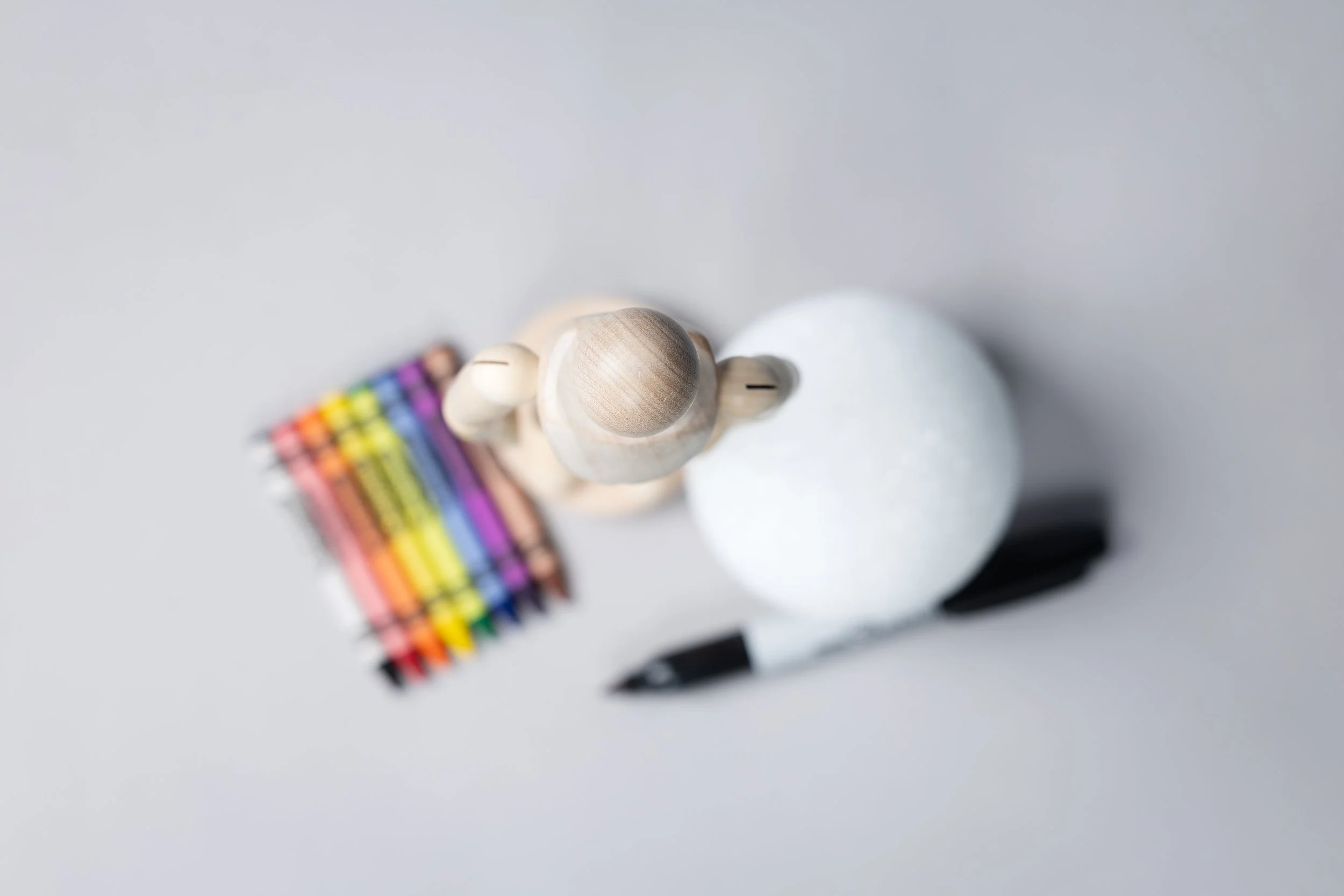
Image 2 – Overhead, Landscape Orientation, Required Aperture: f/5.6
What This Means for You
Photography is one of the few professions with no barrier to entry. Anyone can call themselves a professional photographer, which makes it genuinely difficult for clients to know what they're actually getting. A polished portfolio can be assembled from a photographer's fifteen best days. What it can't show you is whether that photographer can consistently deliver quality work across varied conditions, subjects, and circumstances — and that consistency is where the real difference lives. So how do you know, before you book, that a photographer can deliver it?
The CPP exists to answer that question. It is rare by design: nationally, only about 3% of photographers hold it, and in the Rochester area, that number reflects just a handful of working professionals. I am currently one of only three CPPs within 50 miles, and one of eight within 100. When you hire a CPP, you're choosing someone who has been tested rigorously on the technical fundamentals — someone who doesn't just understand light, exposure, color, and depth of field, but can reliably command them.
It's worth noting that the CPP doesn't evaluate artistic style. That's what my portfolio is for. What the credential certifies is that the technical foundation is solid every single time. If you'd like to learn more about what it means to hire one, PPA's Why Hire a CPP page is a good place to start.
What's Next
The CPP is a milestone, not a destination. I've already set my sights on PPA's Master of Photography degree, a longer, more demanding road that asks more of you as both a technician and an artist. I'm actively working toward earning service and exhibition merits toward the degree.
Every difficult thing I've learned in this field has made me a better photographer. I'm counting on the Master of Photography being no different. And somewhere down the road, if I earn a speaking merit or two by teaching what I know — well...turns out you can take the educator out of the classroom, but not out of the photographer.
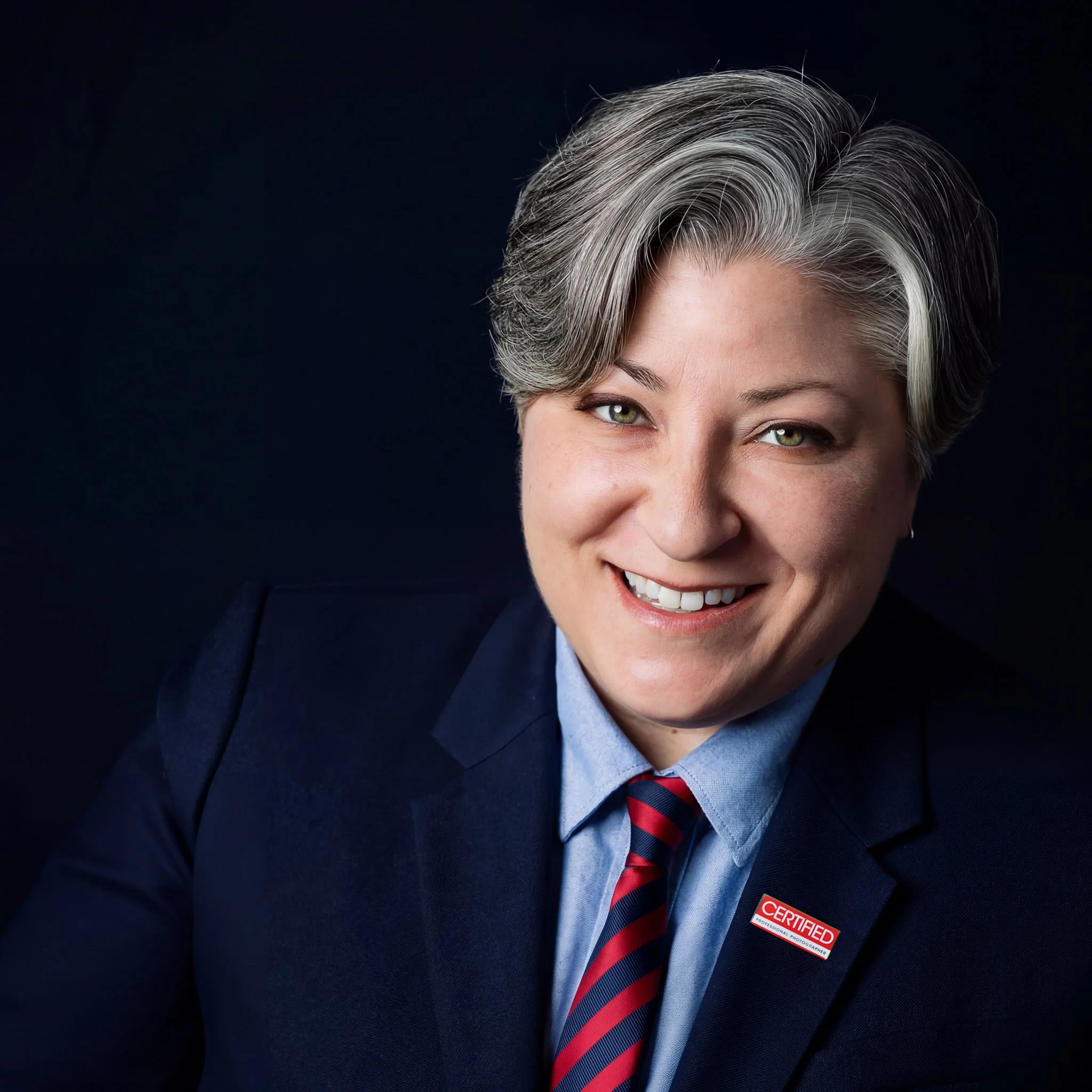
Laura Sharp Minicucci, CPP
Photographer & Owner, Laura Sharp Photography